
One day soon your kids will call to tell you that they want to come over to your place just to visit.
Don’t you believe it. That call is the opening salvo in a carefully coordinated campaign.
Yes, your children are descending upon your home for “The Talk.” It wasn’t something that came to them through divine inspiration; no, they’ve heard a podcast, read an article, or watched a show about how their parents are getting older, and it is time to flip the caregiving role.
There are all sorts of materials out there advising adult children how to hold difficult conversations with their aging parents on sensitive topics. Your kids are approaching this visit prepped to the max.
How Parents Can Prepare for “The Talk”
No one, however, coaches parents for how to handle their side of The Talk. That seems unfair, so I have prepared the following reference card on things you should do before and during.
Prepare Your Home for Their Visit
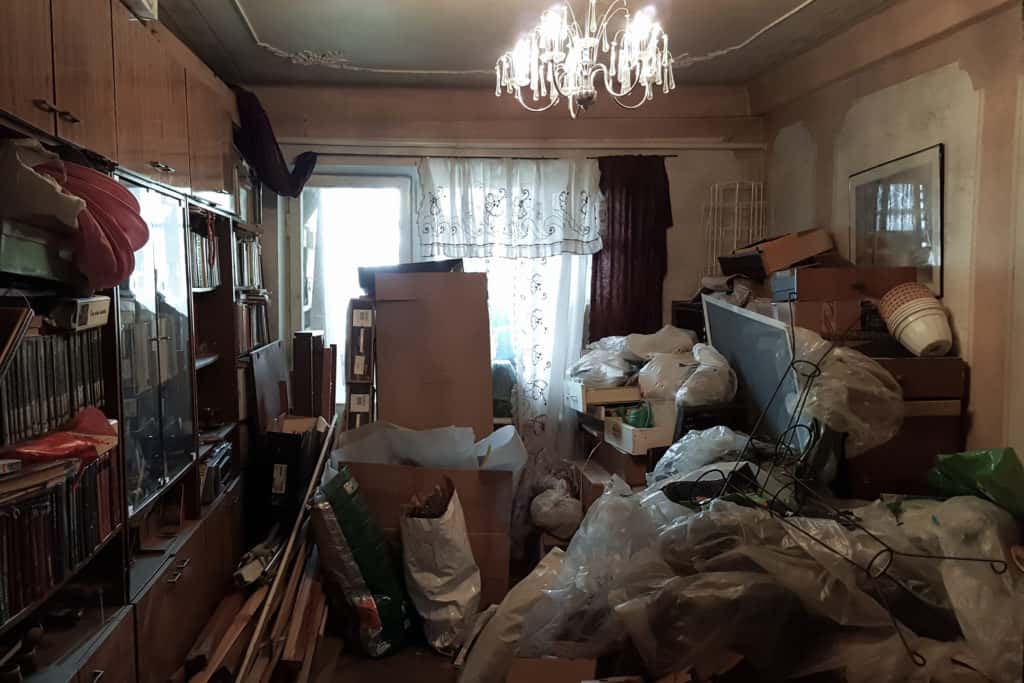
Tidy your home. You will start at a negative position if they see upon arrival your chairs piled high with magazines, a refrigerator holding only mayonnaise and beer, dirty clothes on the floor, and medications in disarray. Hire someone to clean the house and trim the trees before their visit. Pay for it out of their inheritance.
Spiff yourself up. A fresh haircut (and shave), clean clothes and fingernails, and a little cologne will do wonders. But don’t go overboard. This is family, after all.
Be welcoming. Have cookies and tea ready to serve. Hold the hard liquor for later.
Gather Your Important Legal and Medical Information
Come prepared. Have ready by your side a folder with your estate planning documents:
- List of your doctors and medications
You can whip the folder out the minute you sense your children easing the conversation around to advance planning and then enjoy their consternation.
Set Boundaries During the Conversation
Stand your ground, politely. The Talk is all about communicating. It is not about lecturing, shouting, crying, or threatening. It is your home and if you believe a line is being crossed, then just say you appreciate their time but don’t want to keep them, and that you look forward to their next visit. Walk to the front door and open it for emphasis.
Be Ready to Discuss Driving
Have your response about driving ready. Your appropriate retort depends on your situation. If your car has mysteriously jumped a curb once or twice or been the repeated victim of runaway shopping carts in Sam’s parking lot, you would be wise to listen to their concerns. In these days of Uber and Lyft, you can keep your independence and still not endanger the neighborhood children.
If, on the other hand, you are driving just fine, then tell them they will have to pry the keys from your cold, dead fingers.
Be Honest About Where You Need Help
A little honesty is nice. If you’ve recently fallen, forgotten how to use your phone, let your unpaid bills pile up, or bought iTunes cards for a friendly stranger, then you probably need to share that with your kids. After all, you might actually need a bit of help. But balance your confession with stories about the friends you regularly lunch with, the pickleball tournament you just played, and your latest golf score.
Accept Reasonable Suggestions
Give them a participation prize. There is nothing shameful about agreeing to add a handrail to a steep staircase or toss the throw rugs. Heck, you were going to do that anyway. Let them have the win.
You may be growing old, but you’ve got this.
Prepare for the Future with Hammerle Morris
Conversations about aging, caregiving, and independence can be difficult, but thoughtful planning can help your family move forward with greater clarity. If you need help creating or updating a will, powers of attorney, medical directives, or other important estate planning documents, schedule a consultation with the experienced estate planning attorneys at Hammerle Morris.
Virginia Hammerle is a licensed Texas attorney whose practice includes estate planning, probate, guardianship, and litigation.
This article is for informational purposes only and does not constitute legal advice.